
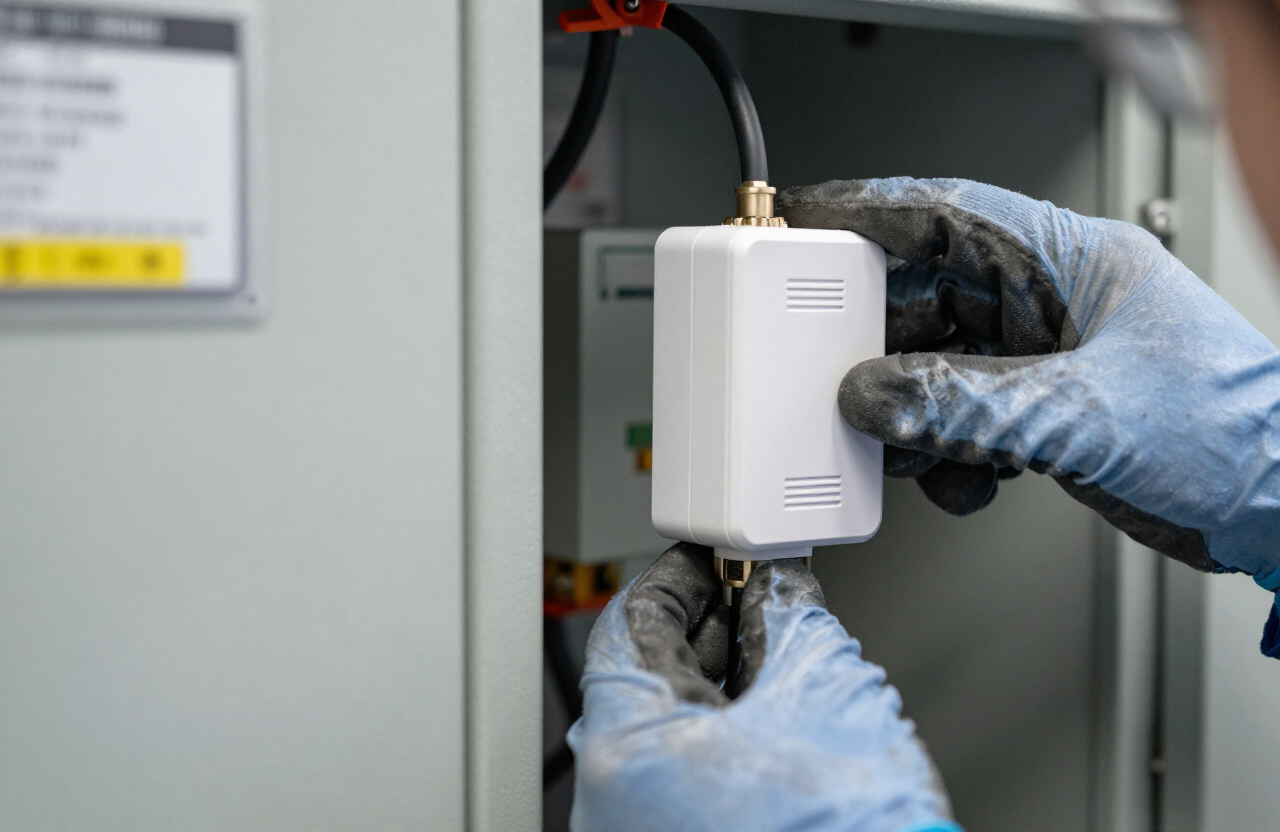
Wireless Sensors, the eyes on your estate.
Small, battery-powered devices that clip onto existing equipment and quietly measure the things that matter — energy, temperature, vibration, flow — for years at a time.
A wireless sensor is a small measuring device with its own battery and radio built in. Instead of running a cable back to a control room, it simply reads a value — like the current flowing through a cable, or the temperature of a pipe — and sends that reading over the air on the LoRaWAN network.
Sensors are where physical reality becomes data. We deploy non-invasive, battery-powered sensors across an estate to measure electricity, gas, water, temperature, vibration and more, with no rewiring and no interruption to production.
Key benefits
- Installed in minutes with no rewiring
- Years of maintenance-free battery operation
- Rated for harsh industrial environments
- One sensor type per measurement, not per building
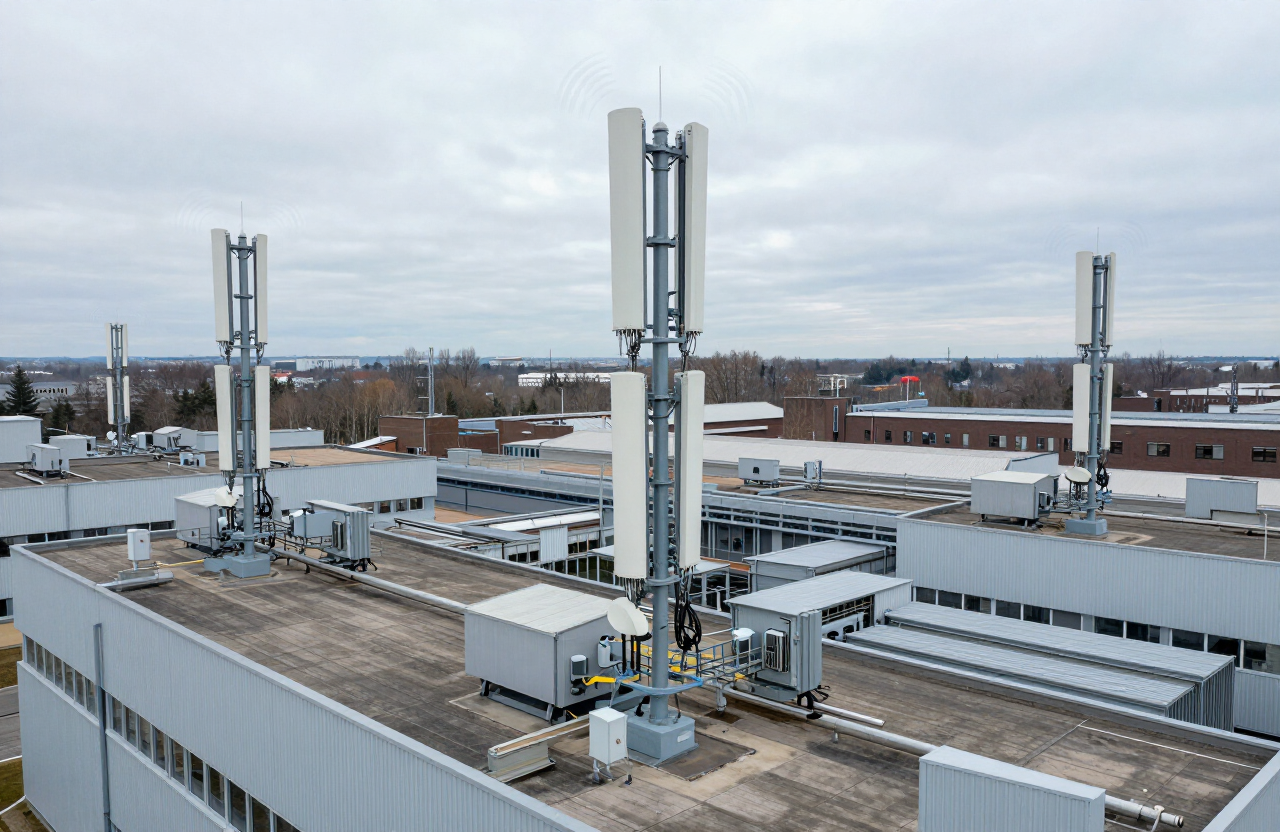
A simple diagram of the data path.
What happens inside a single sensor.
Sensing element
A clamp, probe or transducer measures the physical value
Microcontroller
Converts the raw signal into a clean digital reading
Radio
Packages the reading and transmits it over LoRaWAN
Sleep mode
Powers down between readings to save the battery
Non-invasive by design
Most sensors we deploy clip around a cable or attach to the outside of a pipe rather than being wired into it, so installation rarely requires an electrician, permits, or downtime.
Current clamps
Measure electrical current without breaking into live circuits.
Pulse counters
Attach to existing gas and water meters to digitise their output.
Temperature and vibration probes
Surface-mounted sensors that catch equipment problems before they cause failures.
Built to survive industrial conditions
Sensors are sealed against dust, moisture and vibration, and rated for the temperature extremes found in plant rooms, cold stores and outdoor installations.
Industrial enclosures
IP65/67-rated casings suited to washdown areas and outdoor mounting.
Wide operating range
Rated for the temperature extremes of freezers, boiler rooms and outdoor plant.
Common questions
Still unsure? Our engineers are happy to talk through the detail for your estate.
All FAQsDo sensors need calibration?
Sensors ship pre-calibrated for their measurement type and are periodically verified against known references.
What happens when a battery runs low?
The platform flags low-battery sensors automatically well before they stop reporting, so replacement is planned, not reactive.
Can sensors measure more than one thing?
Some multi-function sensors combine temperature, humidity and vibration in one unit; others are dedicated to a single measurement for accuracy.
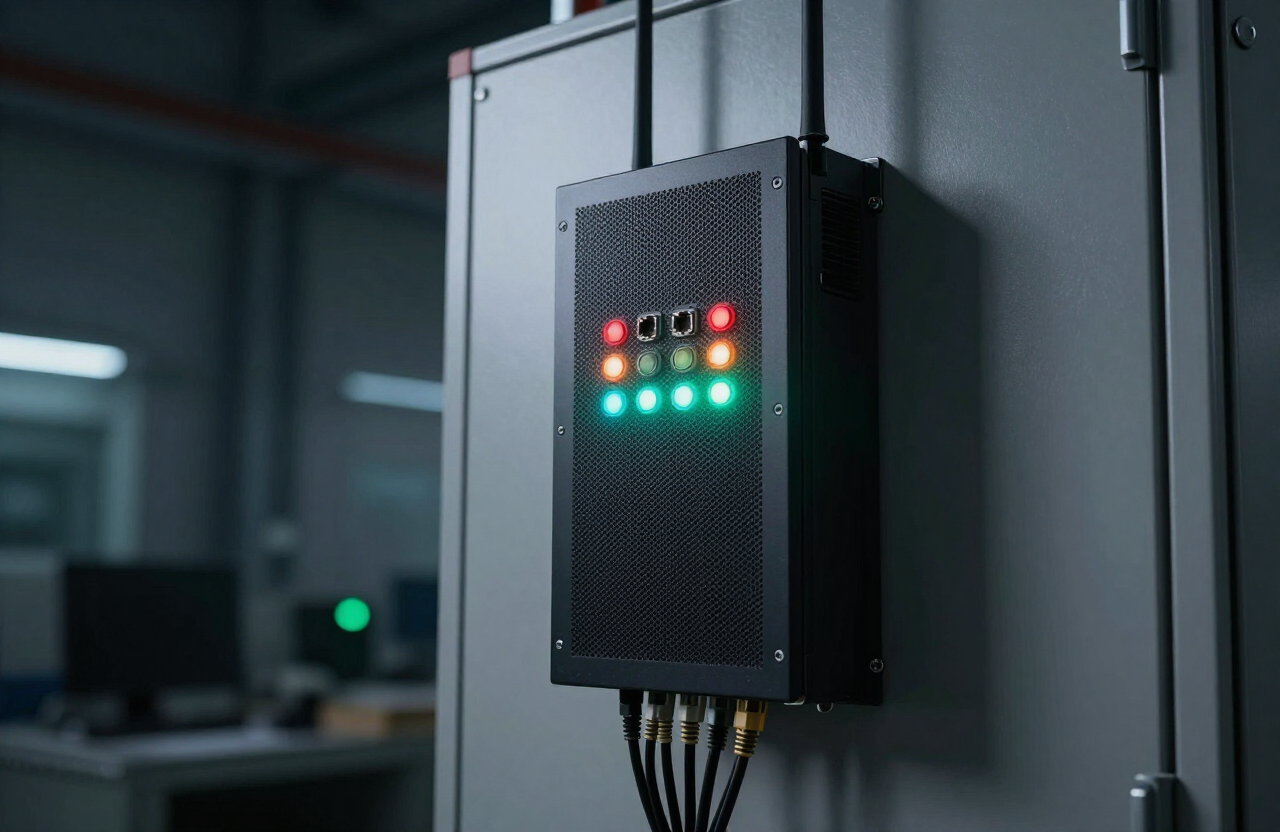
Explore what connects to this.

Ready to make your estate measure itself?
Request an infrastructure audit and we will design a LoRaWAN energy-monitoring programme built for ISO 50001 readiness across the UK and Europe.
Choose how you would like to engage our team.
Every route below reaches our UK and EU enterprise engineers directly. Pick the one that fits where you are — no obligation, response within one working day.
Common questions
An engineer reviews your metering estate and site plans, then returns a scoped monitoring proposal — typically within one working day of the initial call. There is no cost or obligation.
Send an enquiry
Tell us about your estate and we will route you to the right engineer.