

Energy monitoring for shipping.
Shipping and maritime operations carry heavy, continuous energy loads on shore. We meter terminals, reefer points and shore power so you can decarbonise with data.
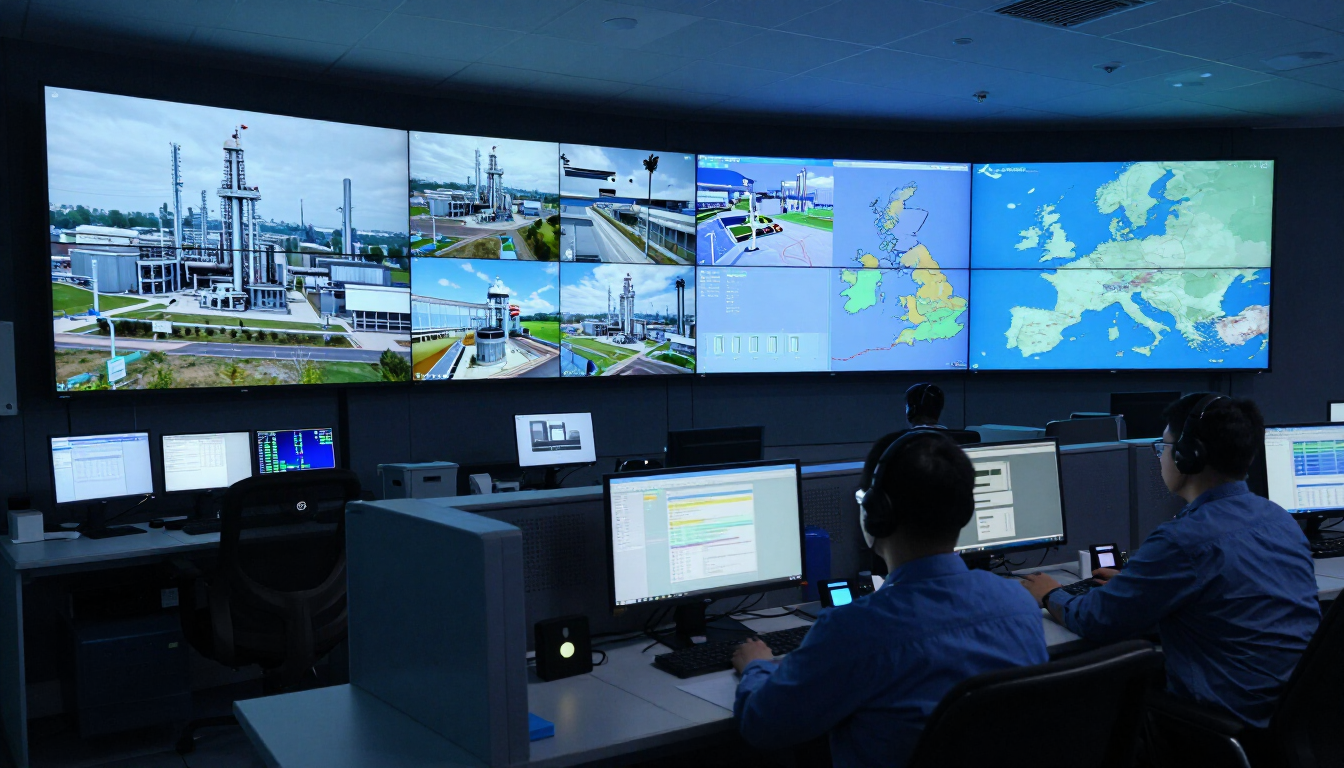
Shipping companies and terminal operators face intense pressure to cut emissions while keeping cargo moving around the clock. Shore-side energy — reefer container points, cranes, cold stores and shore power — is a major, controllable cost. Our IIoT platform meters these loads in real time so operators can prove efficiency gains and support maritime decarbonisation commitments.
Key benefits
- Allocate reefer and shore-power costs accurately
- Manage peak demand across terminals and berths
- Deploy metering in harsh quayside environments without cabling
- Generate auditable data for maritime emissions rules
Where energy hides in this sector.
High reefer-point demand
Hundreds of refrigerated containers draw continuous power with little visibility per point.
Shore-power complexity
Cold-ironing loads spike unpredictably and are hard to allocate and bill accurately.
Exposed, harsh environments
Quaysides and terminals are difficult places to install and maintain conventional metering.
Tightening emissions rules
IMO and EU maritime carbon regulation demands auditable energy and emissions data.
How we instrument your operation.
Reefer-point metering
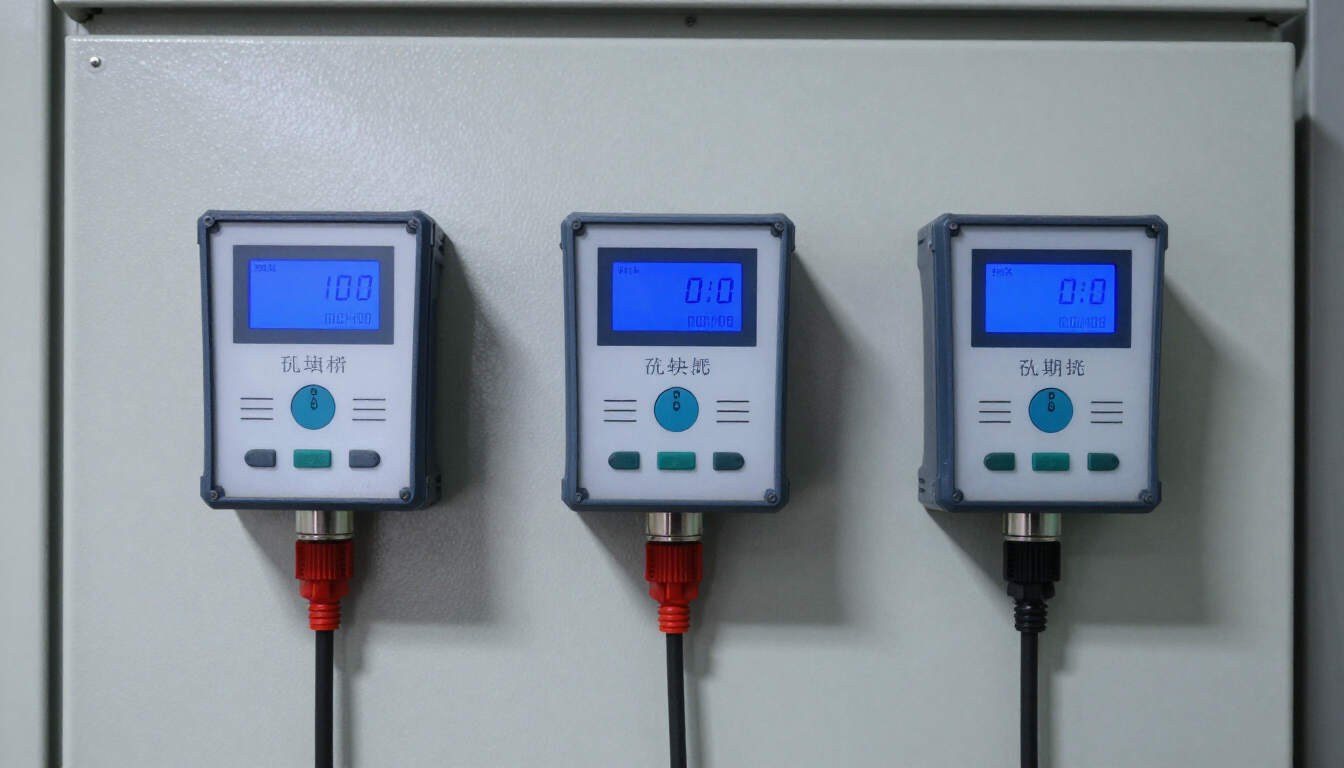
Wireless meters track consumption per refrigerated container point for accurate cost allocation.
Shore-power monitoring
Measure cold-ironing loads in real time to manage peaks and verify billing.
Rugged wireless sensors
LoRaWAN devices survive harsh marine environments and need no cabling across the quay.
Emissions-ready reporting
Convert energy data into auditable carbon metrics for regulatory disclosure.
What we typically meter here.
Real loads we instrument in this sector to turn consumption into verified, board-level savings.
Refrigerated container yards
Meter reefer stacks to find failing units and recharge power fairly to lines.
Ship-to-shore power
Track shore-supply loads to balance the grid connection and support electrification.
Terminal cold stores
Monitor energy and temperature together to protect cargo and cut refrigeration waste.
Audit-ready by design.
Auditable energy and emissions data supports IMO decarbonisation measures, the EU Emissions Trading System for maritime, and ISO 50001 energy management, giving operators defensible evidence for regulators and customers alike.
Explore ISO 50001 complianceSolutions that power this sector.


Common questions
Still unsure? Our engineers are happy to talk through your estate and requirements.
All FAQsCan sensors survive the marine environment?
Yes. We use ruggedised, weatherproof wireless devices designed for salt, moisture and temperature extremes on the quayside.
Can we bill customers per reefer point?
Yes. Point-level metering gives you accurate consumption data to allocate and recharge energy costs.
Does this support shore-power projects?
Absolutely. Real-time load data is essential for sizing shore-power connections and managing peak demand.
Ready to make your estate measure itself?
Request an infrastructure audit and we will design a LoRaWAN energy-monitoring programme built for ISO 50001 readiness across the UK and Europe.
Choose how you would like to engage our team.
Every route below reaches our UK and EU enterprise engineers directly. Pick the one that fits where you are — no obligation, response within one working day.
Common questions
An engineer reviews your metering estate and site plans, then returns a scoped monitoring proposal — typically within one working day of the initial call. There is no cost or obligation.
Send an enquiry
Tell us about your estate and we will route you to the right engineer.